
Exploring the evolution of gambling through the ages
Ancient Beginnings of Gambling
The roots of gambling can be traced back to ancient civilizations, where games of chance played a significant role in both social and cultural contexts. Archaeological evidence suggests that gambling activities were present in Mesopotamia around 3000 BC, with dice made from bones and stones being commonly used. These early games often involved betting on outcomes of events such as dice rolls, making them a form of entertainment as well as a means of economic exchange. Today, many enthusiasts explore platforms like https://fortislots.uk/ for modern takes on these ancient practices.

In ancient China, gambling emerged as a popular pastime during the Shang Dynasty (1600-1046 BC). The Chinese developed various games of chance, including Keno, which is still enjoyed today. This historical context reveals that gambling served not only as leisure but also as a way to foster community ties and interaction among participants. As societies evolved, gambling began to intertwine with rituals and celebrations, further cementing its place in cultural practices.
The Greeks and Romans also contributed significantly to the history of gambling. They organized games that revolved around betting on chariot races and gladiatorial contests. The famous Roman poet Ovid even wrote about the allure of gambling in his works, highlighting its pervasive nature in society. This early period laid the groundwork for how gambling would develop over the centuries, showcasing its ability to adapt to cultural shifts while remaining an integral part of human interaction.
The Middle Ages and the Rise of Gaming Houses
During the Middle Ages, gambling faced significant scrutiny from religious authorities, yet it thrived underground. The Church condemned games of chance, associating them with sin and moral decay. Despite this, the demand for gambling persisted, leading to the establishment of gaming houses and taverns that provided clandestine venues for play. These establishments allowed players to bet on a variety of games, including card games and dice, fostering a subculture of gamblers.
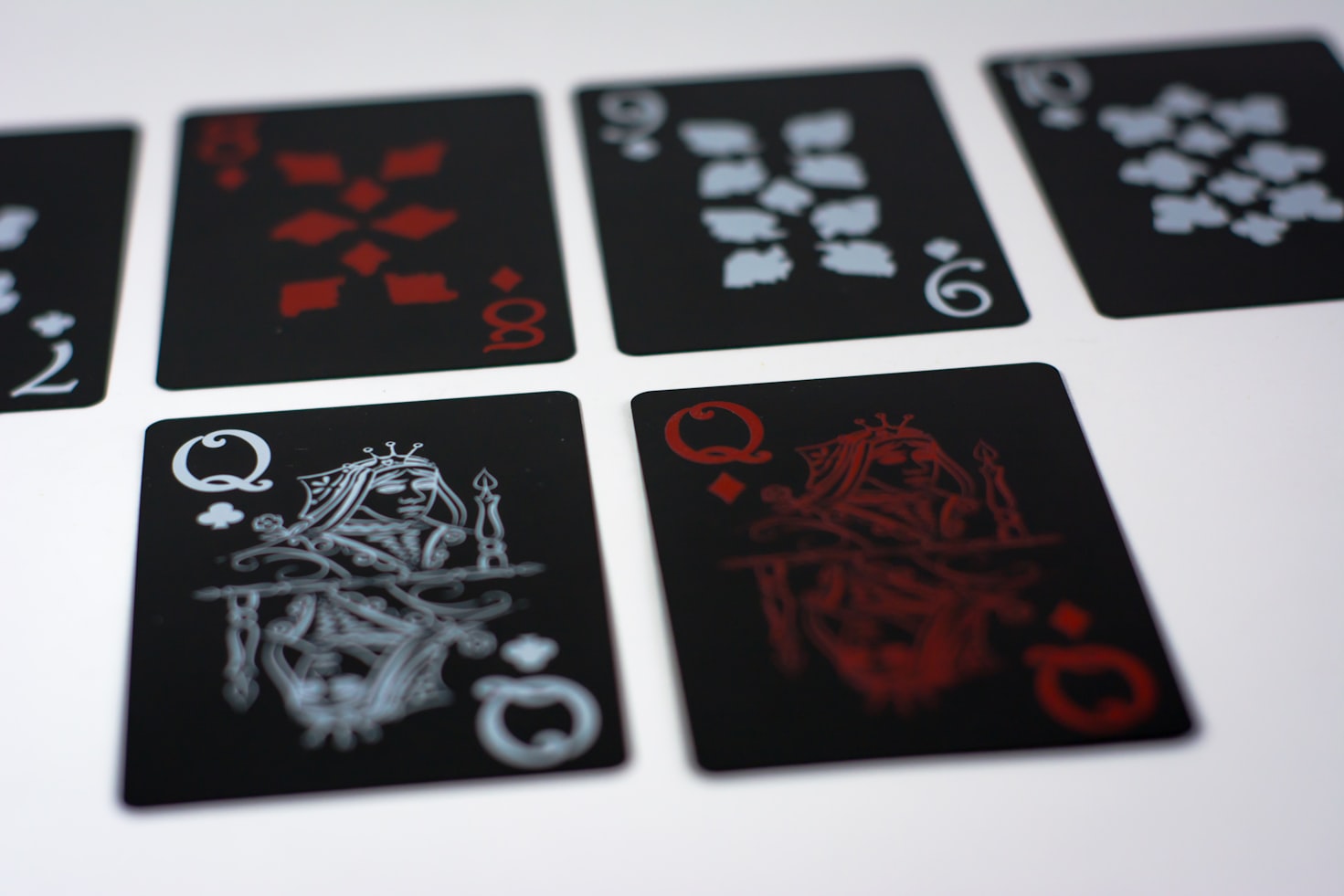
In the 16th century, the development of playing cards revolutionized the gambling scene in Europe. Card games became immensely popular, giving rise to numerous variations that allowed for strategic gameplay alongside chance. Games such as Poker and Blackjack emerged during this time, setting the stage for the complex betting strategies that would follow in later years. The emergence of these games drew in diverse audiences, from the nobility to common folk, highlighting gambling’s ability to unify different social classes.
The invention of the printing press also had a profound impact on gambling during this era. Gambling literature began to circulate, providing players with strategies, odds, and rules that increased engagement. This period marked a significant evolution in the gambling landscape, as players became more knowledgeable and strategic, transforming gambling from mere chance into a calculated endeavor.
The Birth of Modern Casinos
The 17th century heralded the birth of the modern casino, with the establishment of dedicated gambling houses in Europe, particularly in Italy and France. The Venetian Casino, considered one of the first true casinos, provided a formal setting for gambling that attracted a range of patrons. This shift from informal gaming houses to structured environments reflected the growing acceptance of gambling as a legitimate form of entertainment.
As casinos grew in popularity, they began to introduce various table games, including Roulette, which became synonymous with the casino experience. These establishments combined luxury with excitement, appealing to affluent clients eager to engage in high-stakes betting. The ambiance and elegance of casinos created a unique atmosphere, drawing in not only gamblers but also socialites and tourists, thereby expanding the gambling demographic.
Throughout the 19th century, the casino experience continued to evolve, particularly in the United States, where cities like New Orleans became hotspots for gambling activities. The introduction of slot machines in the late 1800s added a new dimension to the gaming experience, allowing for quicker and easier gameplay. This innovation was a pivotal moment in the evolution of gambling, making it accessible to a broader audience and laying the groundwork for the modern gaming industry.
The Digital Transformation of Gambling
The late 20th and early 21st centuries witnessed a significant transformation in the gambling industry with the advent of the internet. Online gambling platforms began to emerge, enabling players to place bets from the comfort of their homes. This digital revolution not only expanded access to gambling but also created a new wave of excitement, with games like online Poker and virtual slots gaining immense popularity.
Online casinos offered various incentives, including bonuses and free spins, which further attracted players. The introduction of live dealer games combined traditional casino elements with modern technology, providing a unique gaming experience that mirrored in-person interactions. This fusion of technology and gambling significantly reshaped the landscape, as players enjoyed the thrill of betting while engaging with real dealers and other participants via video streams.
Furthermore, the rise of mobile gaming has further transformed the gambling experience, allowing players to gamble on-the-go. With the proliferation of smartphones, users can access their favorite games anytime and anywhere, making gambling more convenient than ever. This shift has not only increased participation but has also introduced new challenges, such as regulatory concerns and the need for responsible gambling practices in the digital age.
Fortislots: A Modern Gaming Experience
Fortislots stands out as a cutting-edge online casino, offering players an extensive selection of slots and live games from over 80 trusted providers. With its user-friendly interface, quick payment options, and dedicated customer support, it aims to provide a rewarding and enjoyable gaming experience. The platform is licensed to ensure safe and secure gameplay, giving players peace of mind as they engage in their favorite games.
New players can take advantage of a generous Welcome Bonus Package, which includes up to €3000 and 300 free spins. This enticing offer highlights Fortislots’ commitment to attracting players and enhancing their gaming experience. Moreover, the site’s emphasis on fast transactions and 24/7 customer support demonstrates its dedication to providing a seamless user experience.
In a world where gambling continues to evolve, Fortislots is at the forefront of innovation. By integrating advanced technology and engaging gameplay options, it caters to the needs of modern gamblers while maintaining a fun and dynamic environment. As gambling continues its journey through the ages, platforms like Fortislots are shaping the future of this age-old pastime, ensuring it remains relevant and exciting for generations to come.